

Company profile
The client company operates in the industrial sanitation sector, providing solutions for the production of cleaning foam, CIP (Clean-In-Place) washing systems and chemical treatments for microbiological control. Its main customers are in the food, beverage, cosmetics and pharmaceutical sectors, where constant cleaning and disinfection of production lines are essential requirements.
With years of experience and a consolidated network of specialised technicians, the company is able to develop tailor-made systems that integrate modern technologies and materials compatible with aggressive fluids, including chlorine dioxide (ClO₂) based products. Its mission is to guarantee its customers operational efficiency, operator safety and reduced water and energy consumption, elements that are increasingly in demand in terms of sustainability and international competitiveness.
- CUSTOMERCompany specialising in industrial sanitation and hygiene
- SECTORCleaning and disinfection systems and services
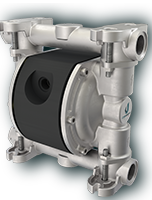
- SOLUTIONPP + PTFE double diaphragm pump
- MODELMICROBOXER
Application of MICROBOXER: a pump for foam and ClO₂
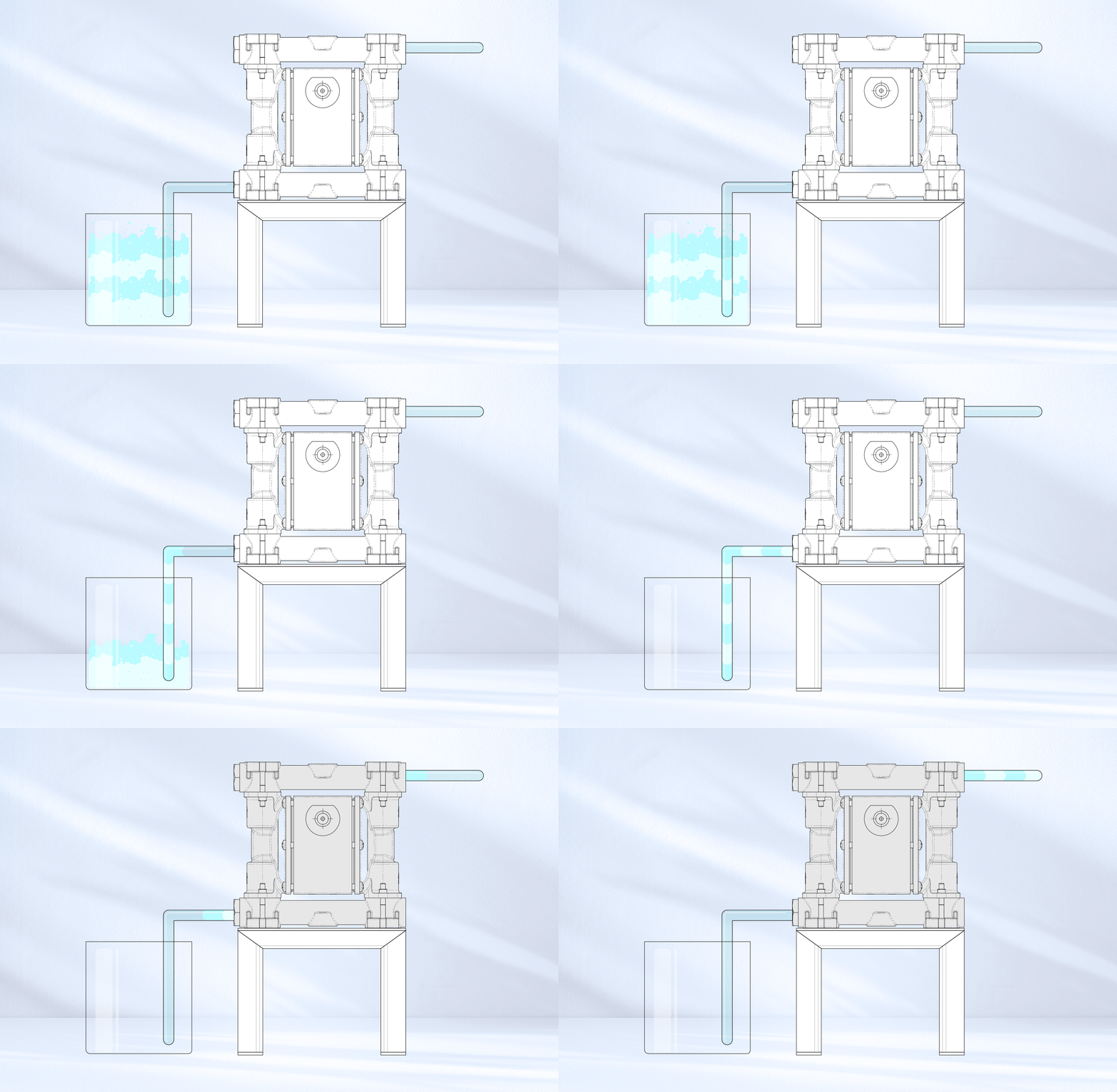
In the field of industrial sanitisation, the pump has been integrated into a foamer system dedicated to foam production. In this configuration, the Microboxer feeds the foamer with detergent solution, which, after successive mixing, generates a dense and uniform foam capable of adhering to surfaces and ensuring deep and effective cleaning on large machinery and production lines.
At the same time, the same technology has been used to manage chlorine dioxide (ClO₂) solutions, which are increasingly used for disinfection and water treatment. In this context, the Microboxer guarantees safe and accurate dosing, minimising the risk of corrosion or leaks thanks to the robustness of its construction materials and special seals.
This dual application demonstrates the versatility of the pump, which is capable of operating in both mechanical foam production processes and delicate chemical transfers, maintaining consistent performance and operational safety.
Use of the Microboxer foam production pump
The Microboxer foam pump is used daily in sanitisation cycles, with an average of 4-6 hours of operation per day. In “foam cleaning” mode, the pump moves a typical flow rate of between 500 and 800 litres/hour of cleaning solution, ensuring uniform coverage of large production areas.
When used for ClO₂ dosing, the flow rate is adjusted to low values, typically in the range of 50–100 litres/hour, maintaining a stable and precise flow to ensure effective treatment of the water lines. The combination of short, intensive cycles for foam, together with prolonged and controlled dosing for ClO₂, highlights the operational flexibility of the Microboxer, which is capable of adapting to very different requirements without compromising reliability.
Foam and ClO₂ pump: why MICROBOXER?
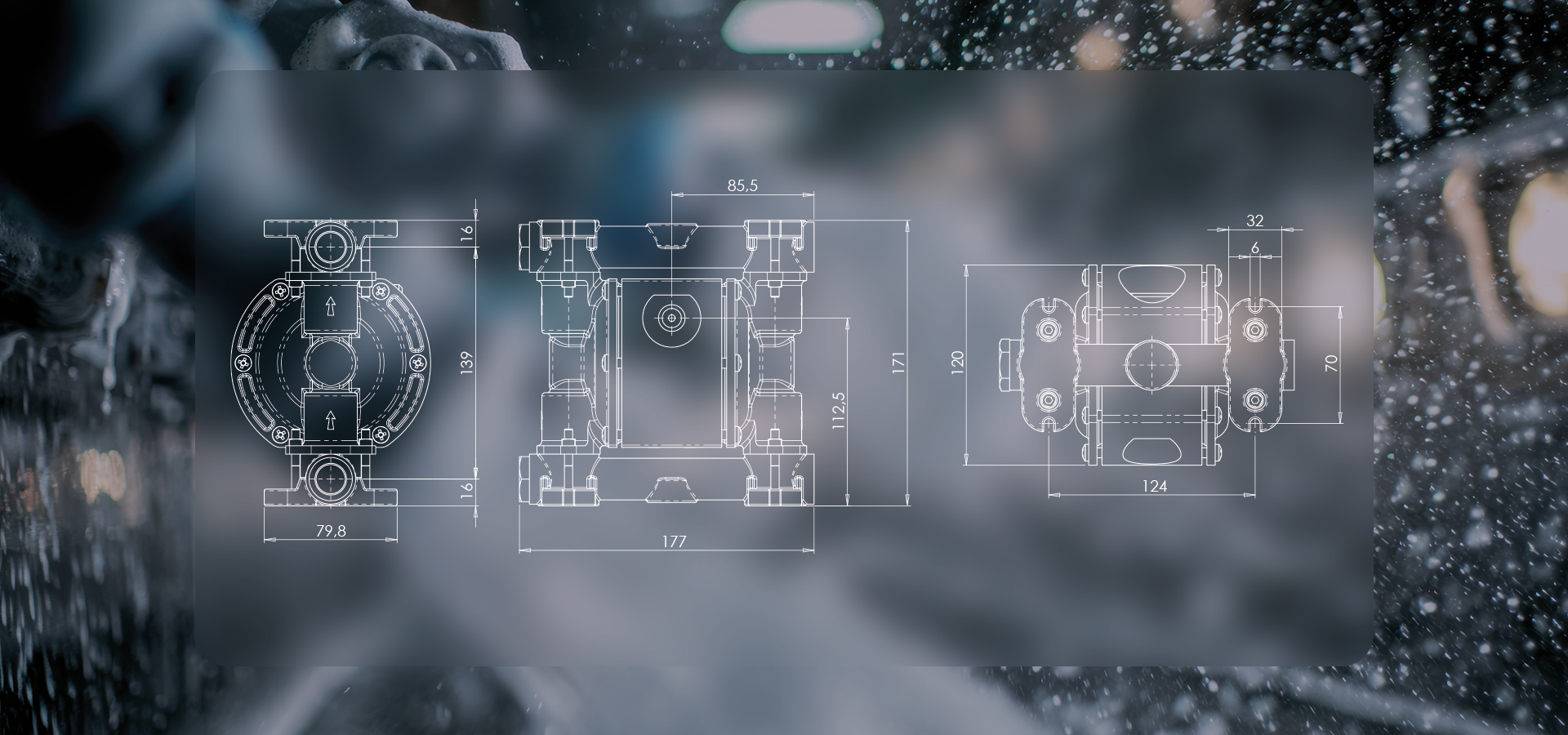
The customer needed a compact and versatile chlorine dioxide pump capable of operating in two distinct but complementary contexts: the production of cleaning foam for daily sanitisation of the systems and the controlled dosing of ClO₂-based solutions for chemical disinfection. The main requirements were:
- Long-term reliability, with repeated start-up and shutdown cycles without any drop in performance.
- Chemical compatibility with detergents with variable pH and with oxidising agents such as chlorine dioxide.
- Reduction in water and energy consumption, thanks to improved efficiency in foam generation.
- Safety for operators, with hermetic pumping systems that prevent leaks or accidental contact with the treated fluids.
- Ease of maintenance to reduce downtime and operating costs.
Superior foam coverage and ClO₂ dosing with zero leaks
Thanks to the introduction of the Microboxer foam production pump, the customer was able to significantly improve the efficiency of its sanitisation processes. The pump made it possible to produce a denser and more stable foam, with 25% greater uniform coverage than the systems previously used, and a 30% reduction in water consumption per wash cycle.
MAIN RESULTS
+25%
Increasein foam coverage
-30%
Reductionin water consumption
In applications with ClO₂, the use of PP and PTFE configurations ensured safe, leak-free dosing that was fully compatible with the oxidising agent, increasing operator safety and reducing the risk of corrosion in the lines. In addition to the operational benefits, the Microboxer has contributed to a reduction in maintenance costs thanks to the longer life of the membranes and the ease of replacement. The reliability of the pump has reduced plant downtime, ensuring production continuity and maximum efficiency in sanitisation and disinfection cycles.
